


I recently discovered the Real Book Enhanced Chords Edition by the New York jazz pianist David Hazeltine.
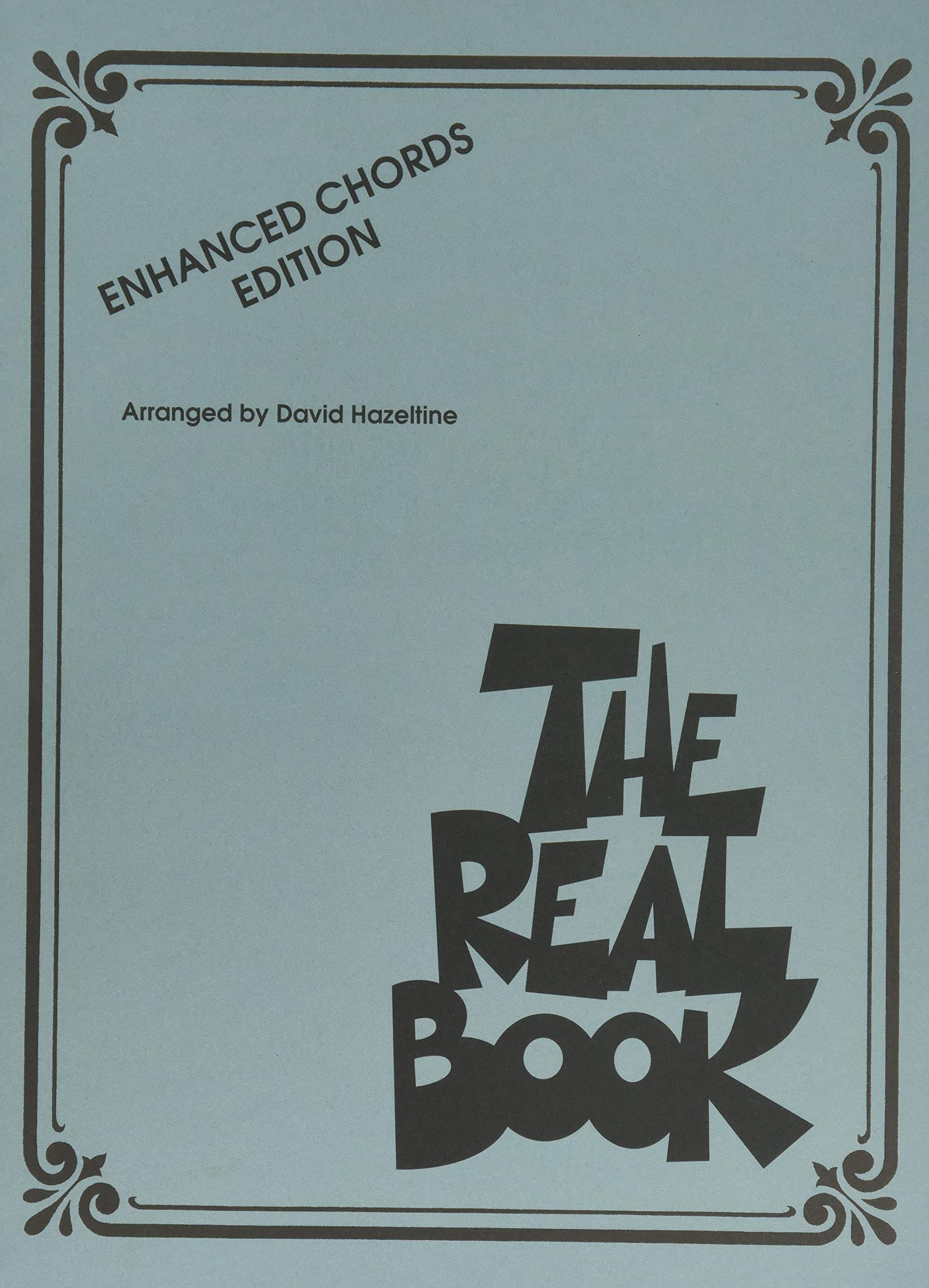
Normally the real book will give you the basic chords underneath the given melody, which works for comping in a jazz combo context.
However, the guitarist is limited by this approach to either block chord comping, or single note soloing against a backing.
The standard approach for adapting this to solo guitar is the so-called ‘chord-melody’ which combines block chords with the melody on top.
Playing shell chords under the given melody can sound ‘inside’, and often sounds sound choppy when alternating between chords and single note lines.
Hazeltine’s enhanced chord arrangements provide extended jazz chords as well as slash chord triads.
These chords provide fuller and richer textures that sound more satisfying, ie., more ‘outside’ and modern, in a solo guitar context.
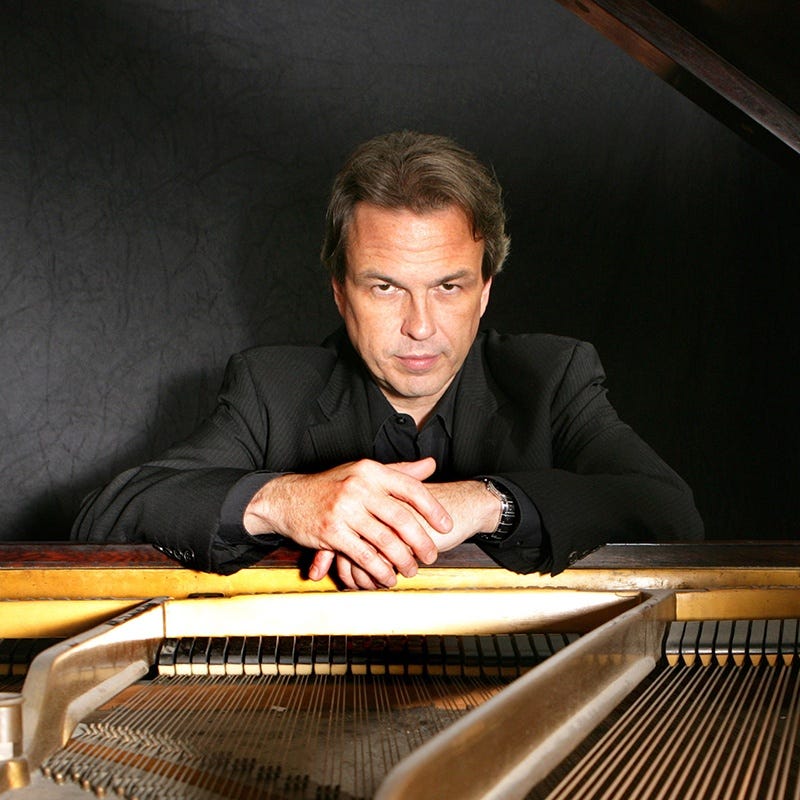
I developed a basic understanding of extended harmony studying materials for solo jazz guitar by Ted Greene and John Stowell.
Greene taught bigger 5 note chords as well as more open voicings that utilise stretches, open strings, and close intervals.
Most materials for jazz guitar focus on basic 4 note block chord voicings that are suitable to comping but tend to sound to small, chunky and ‘inside’ for a solo performance.
They are ‘pretty’ rather than ‘meaningful’.
Part of the reason is for this focus might be the prevalence of playing with the pick.
The pick has certain limitations in terms of how you can voice and sound the chord.
It does not facilitate the playing of wider ‘broken’ chords and arpeggiating larger chords which can only be done with classical technique in the right hand.
(I don’t use the term ‘finger-style guitar’ which connotes a style of playing on the steel string acoustic and is not normally associated with the classical guitar.)
While the guitar pick provides for a clean jazz tone and fast single note runs, it limits the player to strumming chords as a block.
The classical right hand technique is closer to the jazz piano.
It’s versatile enough to allow the player to spread out the chords and arpeggiate them in various ways.
Apart from mastering the classical right-hand technique, another roadblock to this for jazz players can be the tightness of the strings on a standard jazz guitar.
Wes Montgomery could use the weight of his thumb to move the heavy strings on his archtop guitar, but it’s less easy to get a full jazz tone with the other fingers.
Greene and Stowell deal with this problem by down-tuning.
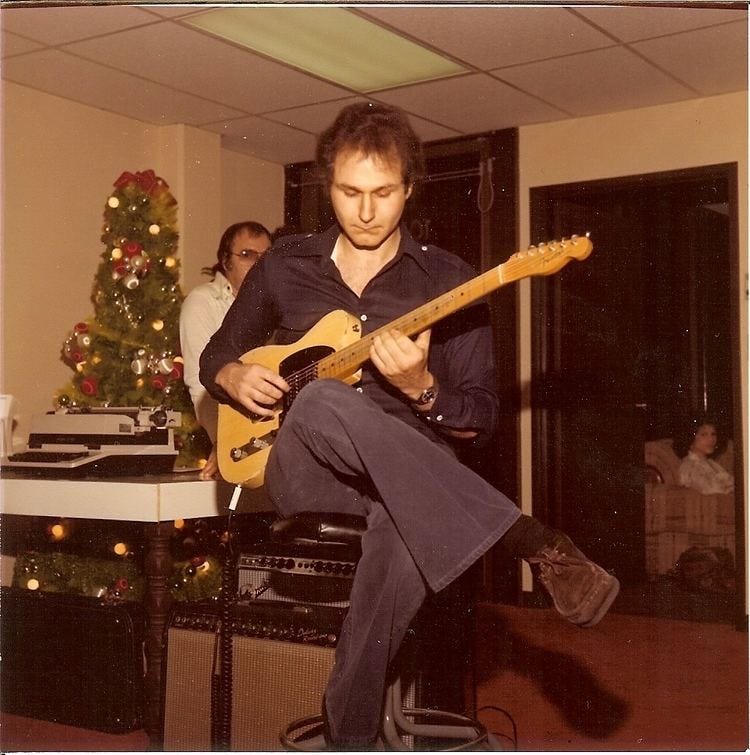
Greene used a Telecaster fitted with jazz strings, which he tuned a half or a whole step down.
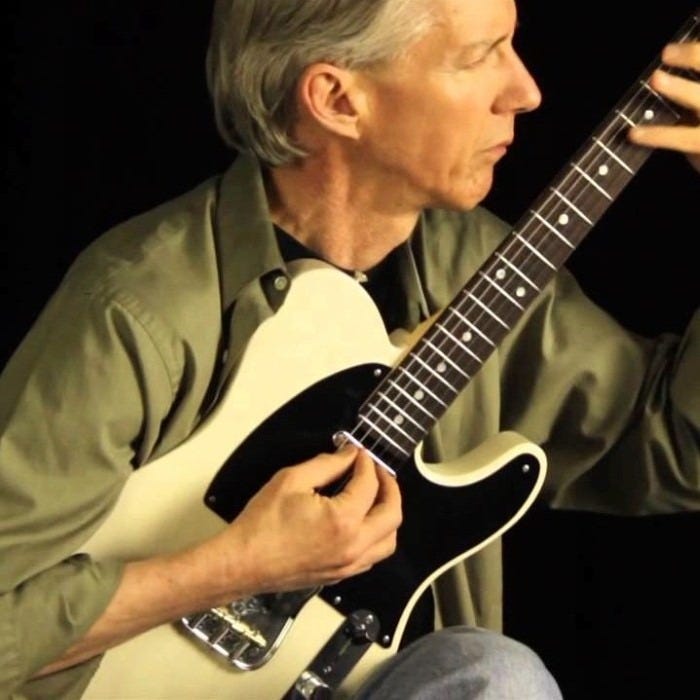
Stowell suggests going even further by tuning three whole steps down.
That’s a bit extreme, although it provides for some very interesting timbres.
I find that tuning down a whole step is optimal for jazz and bossa standards, and also suits my low male vocal.
It gives the electric more of the feel of a classical nylon string.
So utilising a classical right hand technique and down-tuning makes these extended pianistic chords more accessible.
Though intended for all instruments, Hazeltine’s arrangements are most immediately for the piano, and the chords as given don’t always naturally translate to the guitar.
It serves more as a basis for ideas for how a piece can be reharmonised.
While some of the chord progressions can be transferred mostly as given, in other cases I find that a key change provides for a better sound.
One valuable lesson I’ve learned working through these arrangements is the use of the 11th #11th sound in major, dominant and dominant chords.
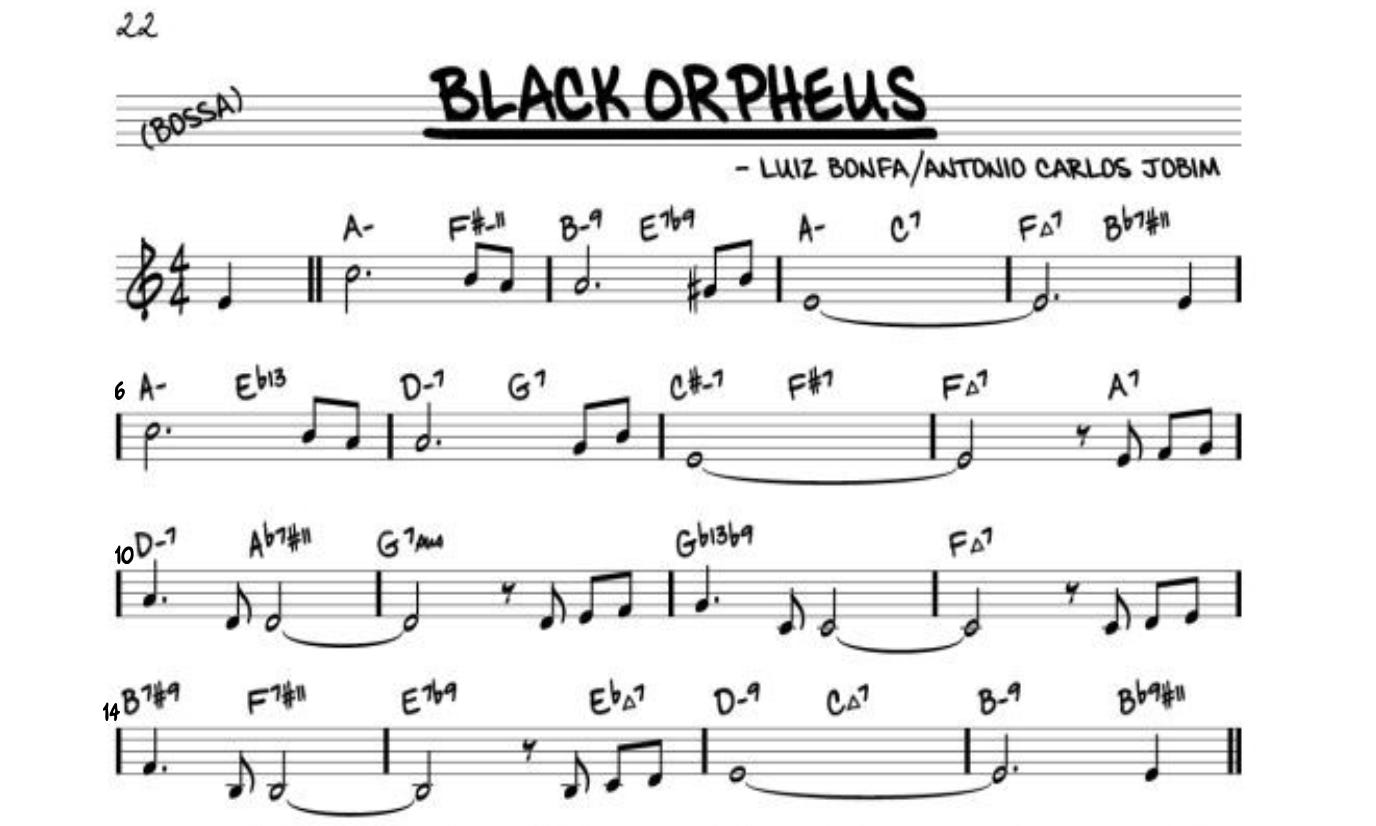
It takes a while getting used to it, and figuring out where these chords can be plugged in, but it certainly pays off, giving you a more open and modern jazz sound.
It’s certainly an interesting approach for those looking to develop their chordal improv skills.
It might also provide a basis for a modern single line soloing approach, as arpeggiating over these chords will access extended ‘outside’ notes.